AI writing tools are fast.
You can generate articles, emails, reports, or essays in minutes with them. But their first draft feels off. The tone sounds robotic. Sentences repeat patterns. The text looks flawless but lacks human variation, which makes it boring to read. That’s why AI humanizer tools are gaining attention.
They’re designed to rewrite AI content so that it reads more like something a person would write. They adjust sentence flow and reduce obvious AI writing patterns. Many tools also restructure phrasing without changing meaning.
In this guide, we’ll look at five popular tools that help turn machine-generated content into natural writing.
1. HumanizeAIText.co
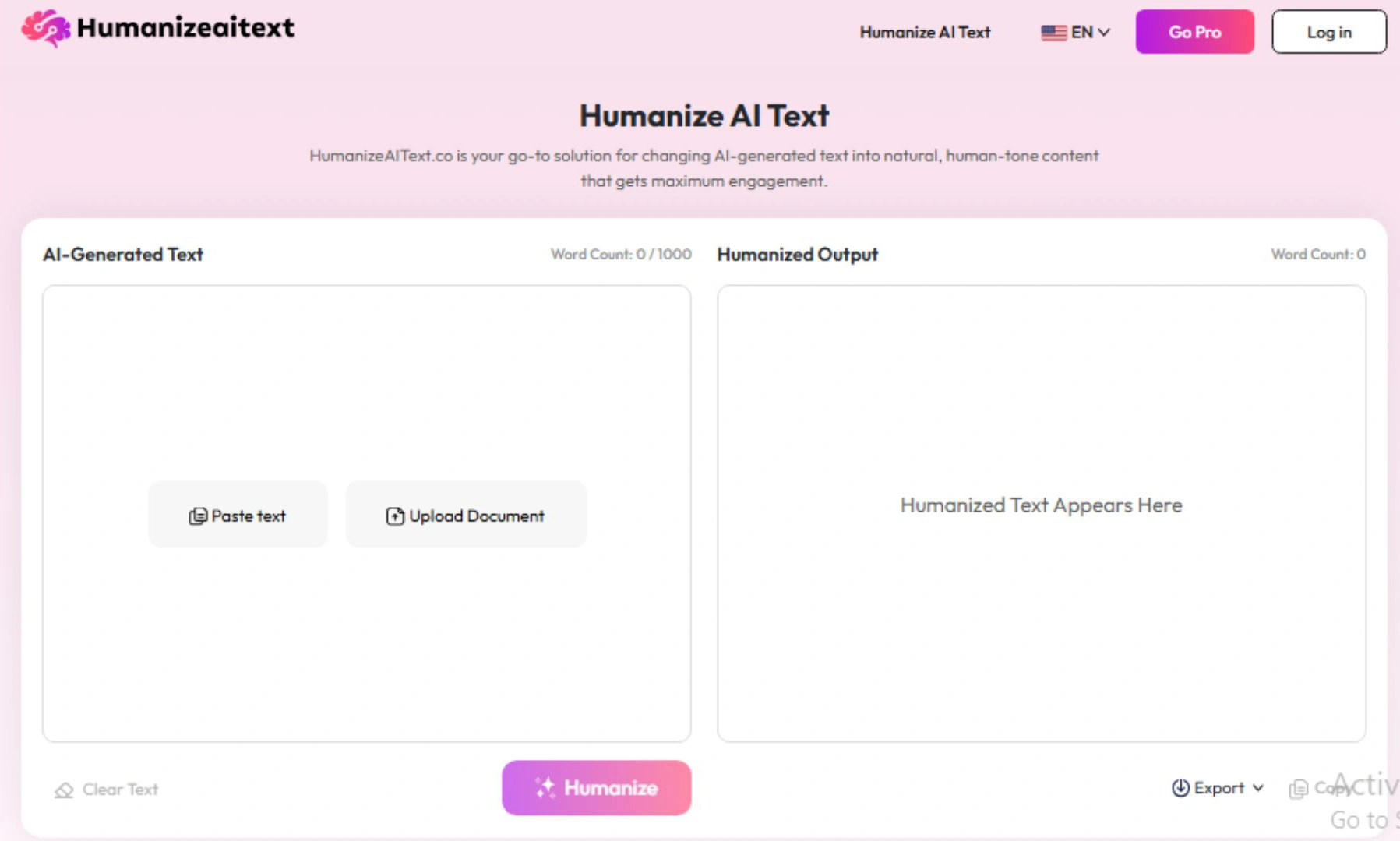
HumanizeAIText.co is the best AI humanizer for simple yet effective humanizing since it focuses on one main function: rewriting AI content so that it reads naturally. Its workflow is also pretty simple, which is as follows:
- Paste your AI-generated text
- Click humanize
- Review the rewritten version
Though the tool is simple, it uses advanced AI technologies such as machine learning and natural language processing to rewrite AI content accurately while breaking its AI patterns.
- sentence structure
- word choice
- paragraph flow
Tools like this are especially useful for quick editing tasks.
- They’re often used to refine:
- short blog posts
- email drafts
- product descriptions
- social media content
Some comparisons of AI humanizers show that simpler tools like Humanize AI Text can still produce strong results for everyday writing tasks, especially when users just need quick readability improvements.
2. Undetectable AI
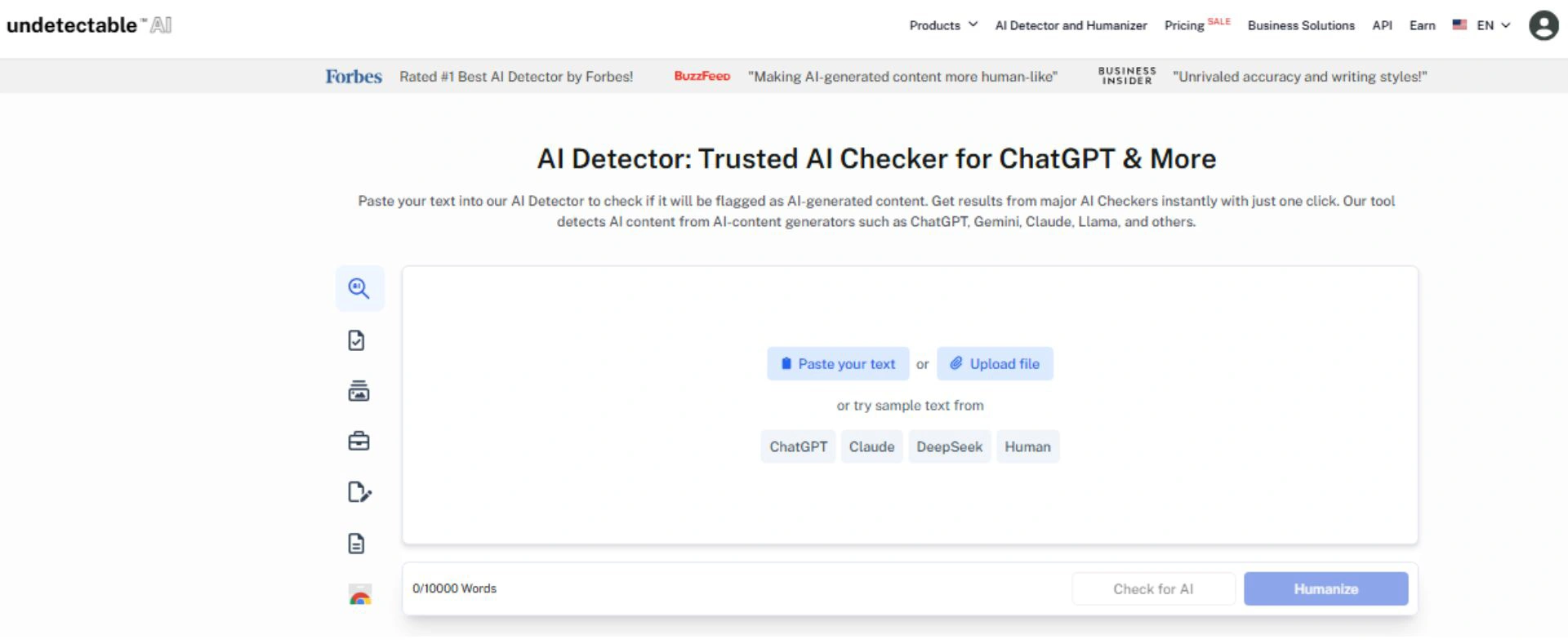
Undetectable AI is best for detection-focused humanization. Undetectable AI is widely known for its focus on detection-resistant writing. The platform analyzes a piece of text and rewrites it so it sounds more natural and less machine-generated. It also includes built-in AI detection features that evaluate how likely the content is to be flagged by detection systems.
Many writers like this tool because it provides two things at once:
- A rewriting engine that humanizes content
- A detector that checks AI probability
This combination helps writers adjust drafts quickly without switching tools. The rewriting engine usually focuses on:
- Breaking predictable sentence structures
- Replacing generic AI phrases
- Improving tone and flow
The result often feels less mechanical and easier to read.
According to reviews of modern humanizer tools, platforms like Undetectable AI are commonly used for blog writing, academic drafts, and marketing content because they transform structured AI text into more natural language patterns.
3. WriteHuman
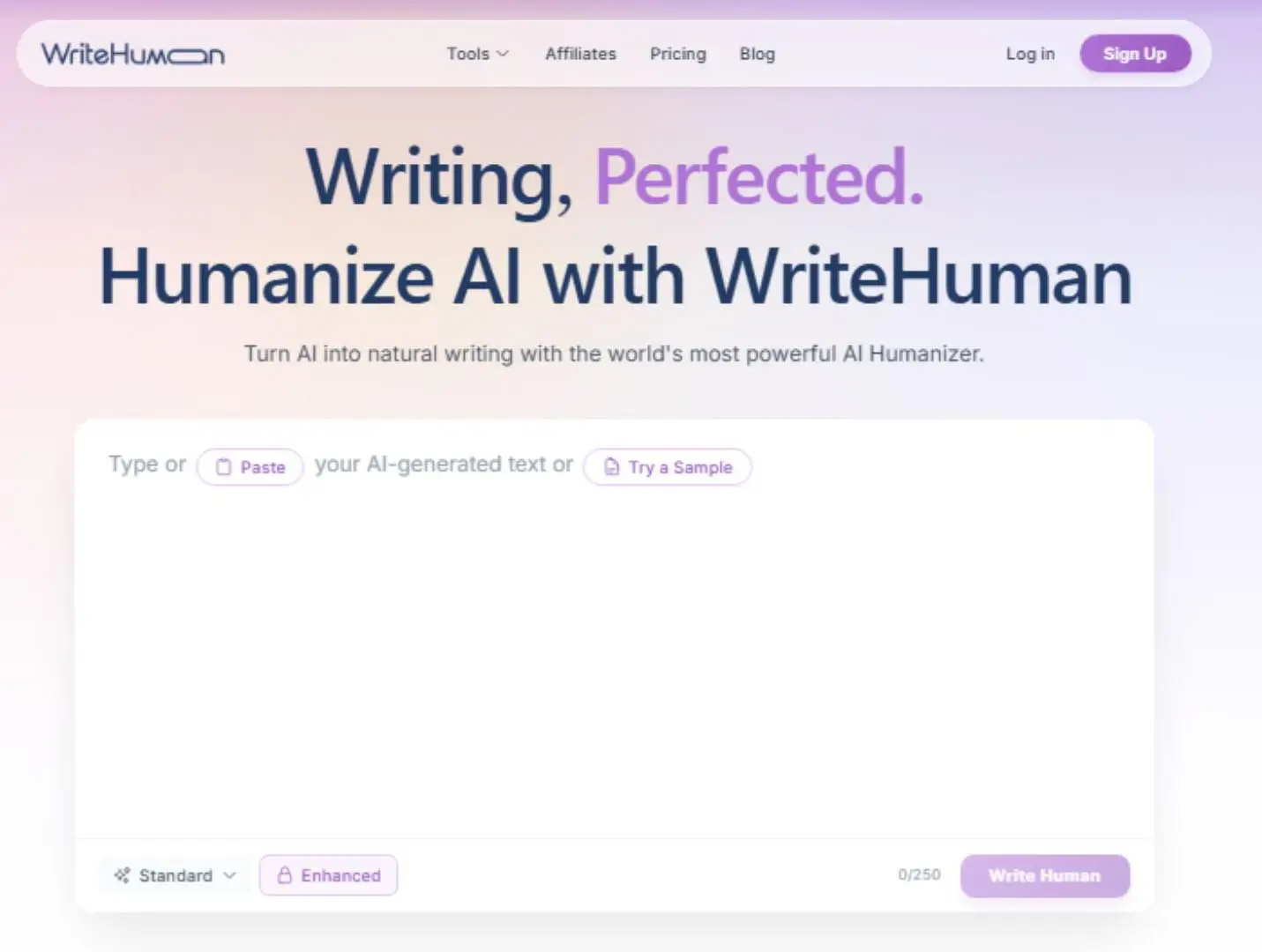
Writehuman is best for natural tone and rhythm. It stands out because it focuses on writing rhythm rather than simple paraphrasing. Most rewriting tools replace words with synonyms. WriteHuman goes deeper. It restructures sentences and varies pacing to mimic how people actually write.
For example, it often alternates:
- Short sentences
- Medium explanations
- Longer analytical statements
This variation helps eliminate the “AI pattern” that many detectors and readers recognize.
Reviews note that WriteHuman’s strength is its ability to reproduce human writing rhythm rather than just rewriting sentences mechanically.
That makes it especially useful for:
- Blog articles
- marketing copy
- opinion pieces
- storytelling content
If your AI drafts sound technically correct but lack personality, this tool can help bring them closer to human voice.
4. StealthGPT
StealthGPT is best for long-form AI content. It’s designed for writers who produce longer content. Many humanizers struggle with large documents. They work well for short paragraphs but lose coherence in longer text. StealthGPT focuses on maintaining meaning across larger passages.
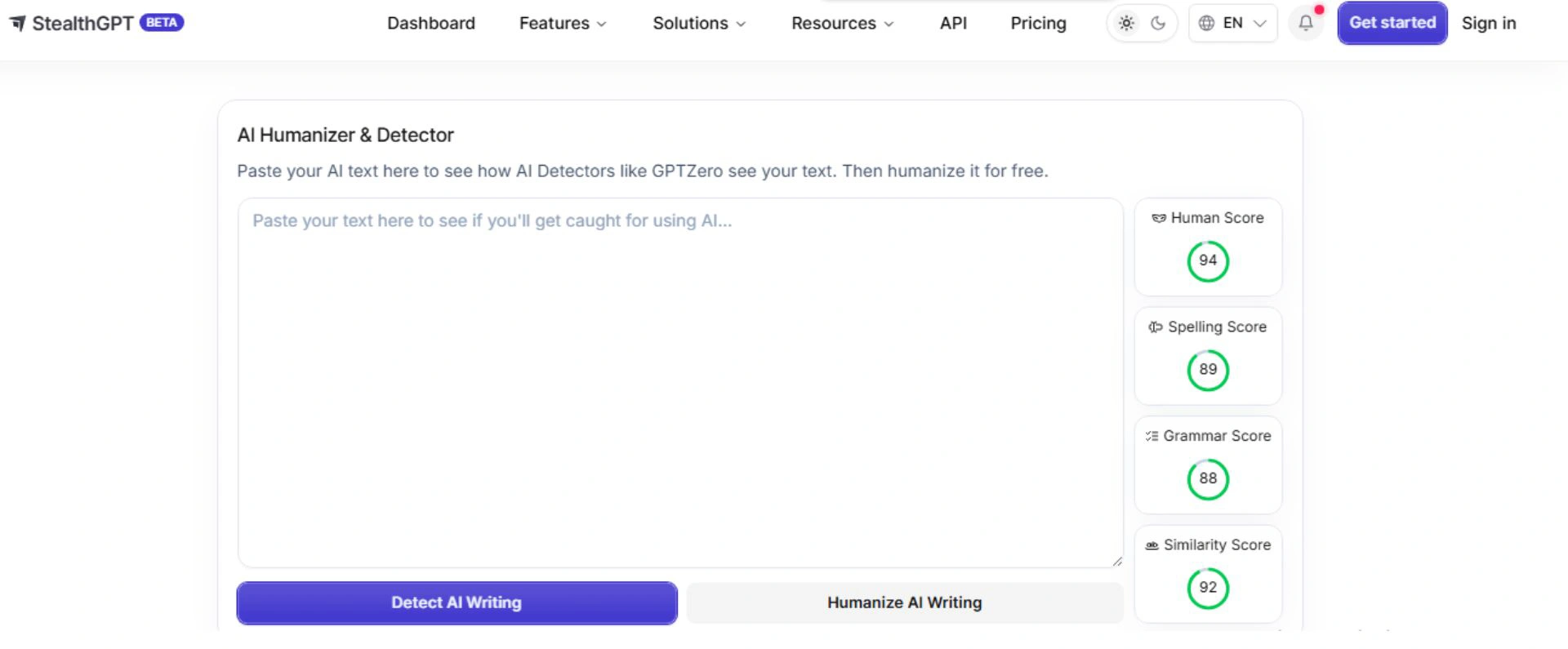
The platform allows users to:
- Upload long AI-generated drafts
- Choose rewriting modes
- Adjust tone and complexity
It then restructures the text while preserving the original message StealthGPT is mostly used by content creators and students who write long articles or reports using AI and need them to sound more natural.
Some comparisons highlight that StealthGPT can process large amounts of content while keeping AI detection rates low and the meaning intact. That makes it a practical choice for long-form writing workflows.
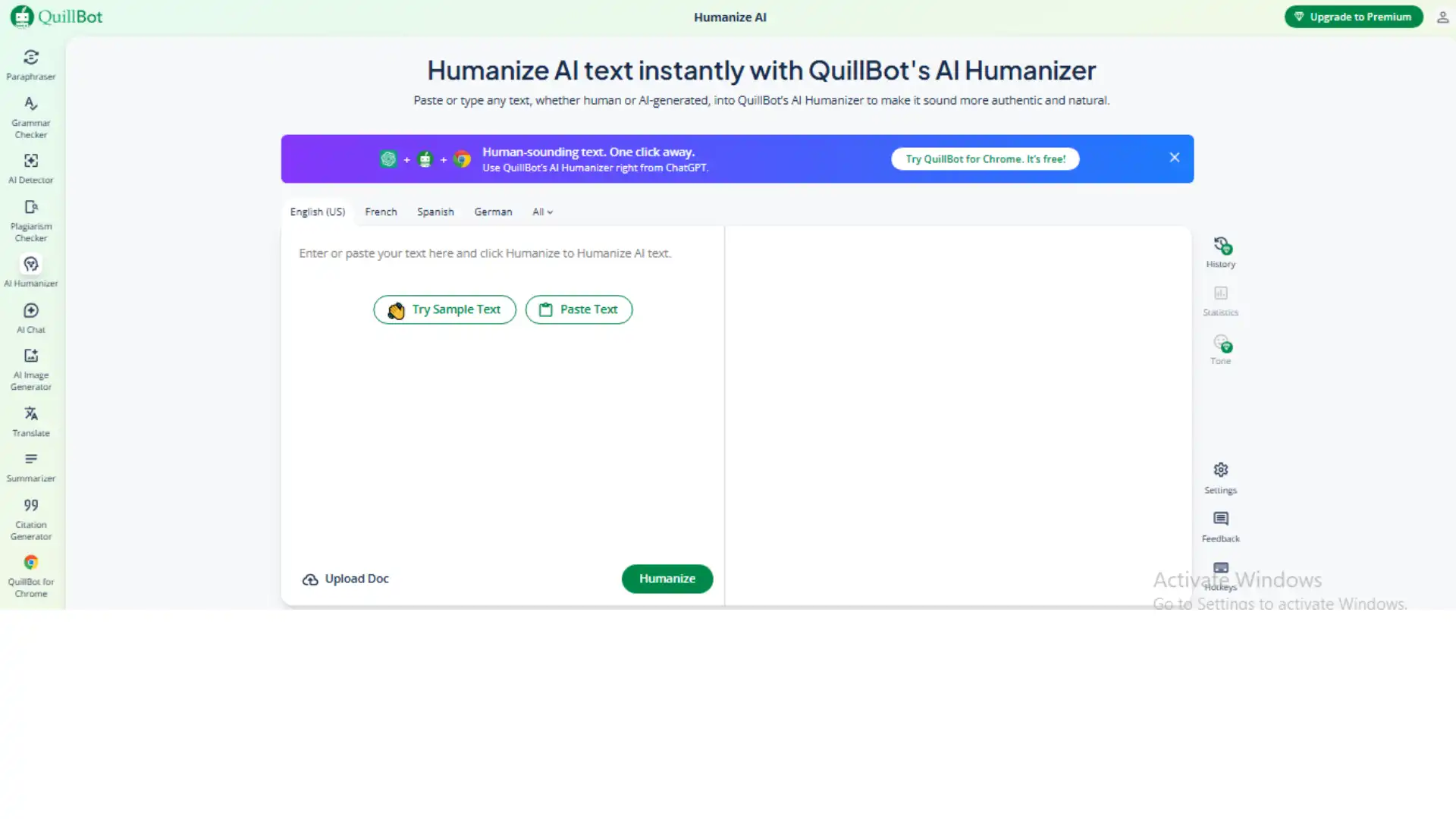
5. QuillBot
Quillbot is best for paraphrasing-focused humanizing. It’s mainly a paraphrasing tool which now also offers a dedicated humanizer tool. QuillBot is popular among students and educators who use it for other purposes as well. Paraphrasing tools like QuillBot can also improve tone and readability while restructuring AI-generated sentences.
While it’s not strictly an AI detector-focused platform, it remains one of the easiest tools for turning AI drafts into smoother writing with its humanizer.
How to Choose the Right AI Humanizer
Not every tool works the same way. Some tools focus on bypassing detection systems while others offer readability.
Choosing the right one depends on your goals.
Here are a few things to consider.
1. Content Length
If you’re writing long articles or research papers, choose a tool that handles large text blocks effectively.
2. Writing Style
Some humanizers produce formal academic writing, while others lean toward conversational tone.
3. Editing Control
Tools that offer multiple rewriting modes give you more flexibility.
4. Built-In Detection
If AI detection is a concern, platforms that include an AI checker can help refine drafts more effectively.
Understanding these factors helps you pick a tool that fits your workflow.
Tips for Better Humanized Writing
Even the best AI humanizer can’t replace thoughtful editing.
To get the best results, follow a simple process:
- Start with a solid draft
- AI tools generate structure quickly, but ideas should still be clear.
- Run the content through a humanizer
- This removes repetitive patterns and improves readability.
- Edit manually afterward
- Add examples, clarify arguments, and adjust tone.
- Simplify where needed
- Short sentences often improve clarity.
Humanizers improve delivery, but human editing still matters.
Why AI Humanizers Are Becoming Essential
AI content creation is growing rapidly. At the same time, readers and platforms are becoming better at recognizing machine-generated writing. This has created demand for tools that refine AI drafts. AI humanizer tools fill that gap.
They help writers:
- Improve readability
- Remove robotic phrasing
- vary sentence structure
- produce more natural language
In other words, they transform raw AI output into content that actually feels written by a person.
Conclusion
AI writing tools are powerful. But the first draft they write is rarely perfect. That’s why writers use humanizer tools. They act as the second step in the writing workflow and help refine structure and remove mechanical patterns that make AI writing obvious.
Among the many tools available today, platforms like Undetectable AI, WriteHuman, StealthGPT, QuillBot, and HumanizeAIText.co stand out for different reasons. Some specialize in detection resistance. Others focus on readability and natural tone. But the goal is always the same: turning AI-generated text into writing that feels authentic, clear, and genuinely human. And in a world full of automated content, that human touch still matters the most.